


Osteochondrosis is usually referred to as dystrophic changes in the spinal bone and connective tissue.It turned out that the spine cannot cope with normal loads - and this is first expressed by pain, which is vaguely expressed at first, but becomes stronger over time.
The main symptoms of the disease
Osteochondrosis of the chest is a disease that usually occurs in adults and does not appear at all for a long time.This is because the thoracic spine is naturally supported and fixed by the ribs - so the intervertebral discs are well protected.
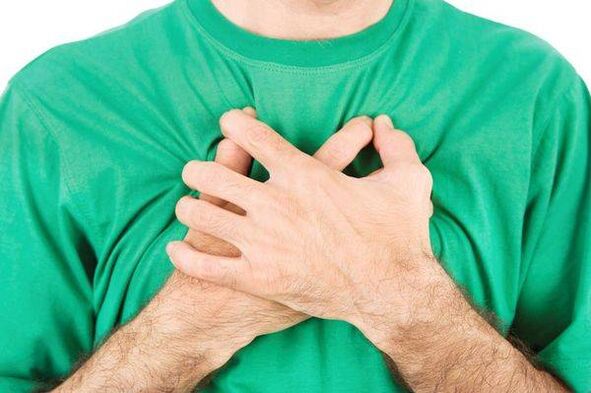
With this disease, the core of the spinal disc becomes thin and dry, the fibrous tissue around it begins to disappear, and negative changes occur in the cartilage tissue.It turned out that the spine cannot cope with normal loads - and this is first expressed by pain, which is vaguely expressed at first, but becomes stronger over time.However, with high stress - a sedentary lifestyle, sedentary work, constant stress, bad posture and back injuries - sooner or later osteochondrosis affects the thoracic region.The disease is considered very common - it affects every third adult.
What are the symptoms of thoracic osteochondrosis. First of all, in the presence of pain, which includes:
- interscapular and intercostal neuralgic lumbago;
- pain on the left side of the chest;
- pain in the hands, which increases when they are raised and reaches to the tips of the fingers;
- pain when bending;
In addition, osteochondrosis of the chest can manifest as numbness - not only in the chest, but also in various parts of the body.Sometimes speech is impaired due to osteochondrosis, and sometimes even skin flakes, nails break, skin itches, and digestion is disturbed.
Breast osteochondrosis pain can manifest itself in different ways.Sometimes these are mild stabbing or dull pains that occur in the late afternoon and disappear after physical activity, such as a short walk.This is usually the initial stage of thoracic osteochondrosis, when the intervertebral discs are not yet deeply damaged.

In the later stages of the development of the disease, pain symptoms often appear in the form of lumbago.The pain is sharp, acute, prevents normal breathing, and unnecessary movements only make the situation worse.Often, lumbago begins after a long period of inactivity - for example, several hours of working at a computer in a static position.
The special "insidiousness" of thoracic osteochondrosis is that the disease can cleverly disguise itself as a dozen other ailments.It is very easy to confuse thoracic osteochondrosis with the symptoms of pneumonia, angina pectoris, ischemia, and infarction.Sometimes the disease is more similar to kidney or liver colic, and speech disorder and a feeling of numbness in various parts of the body are even mistaken for signs of a stroke.
In addition, mistakes are made not only by the patients themselves, but also by experienced doctors - this greatly complicates the diagnosis of the disease.Osteochondrosis of the breast is particularly difficult to recognize in the early stages - that is why it is often diagnosed after the disease has already appeared and passed into a chronic stage.
Meanwhile, timely diagnosis of thoracic osteochondrosis is fundamentally important.This allows you to start treatment immediately and delay the development of the disease, significantly reducing the pain symptoms that accompany the disease.
Why is thoracic osteochondrosis dangerous?
Osteochondrosis of the thoracic spine does not pose a direct threat to the patient's life.However, if neglected, it can lead to serious complications:
- emergence of chronic intercostal neuralgia;
- thoracic hernia;
- compression of the spinal cord in the affected area of the spine.
Advanced spinal osteochondrosis is expressed by scoliosis;sometimes the disease spreads to the vertebrae of the neck and causes loss of voice.
In addition, strong weakening of the spine in the thoracic region can cause deformation of the internal organs of the peritoneum.In turn, this will most likely cause all kinds of disorders of the digestive tract - stomach, pancreas, liver, kidneys, bile ducts.
Osteochondrosis of the chest requires careful treatment, which will help slow down the development of the disease for a long time, prevent complications - and completely neutralize the symptoms of the disease in the early stages.
How is the disease treated?
What methods are used for the treatment of thoracic osteochondrosis First of all, comprehensive diagnostics are carried out, which include both examination of the patient by a specialist and tests using modern equipment.This allows you to make an accurate diagnosis and make sure that it is osteochondrosis and not another disease.
Once the diagnosis is established, the doctor may use the following treatment methods:
- medicines to relieve pain symptoms;
- physiotherapy, laser therapy, acupuncture and reflexology;
- manual therapy and therapeutic massage;
- a special course of therapeutic exercise.
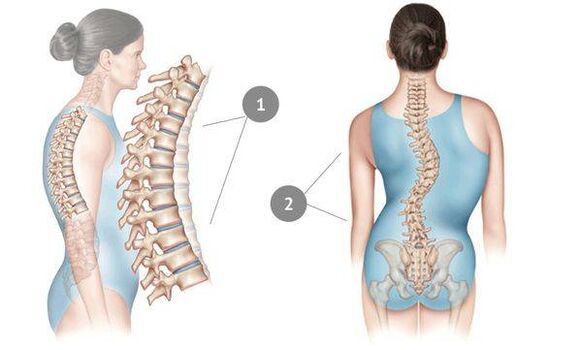
Almost all of the listed methods are not intended to eliminate osteochondrosis as such, but to relieve inflammation and reduce the intensity of pain.Pain relief is the main goal of breast osteochondrosis treatment.At the same time, manual therapy and exercise therapy can "straighten" the spine, increasing the distance between the vertebrae and preventing compression.However, the patient must perform the therapeutic exercise regularly - otherwise it will not give any result.
In some, particularly severe cases, surgical treatment of thoracic osteochondrosis may be used.In such a situation, the damaged vertebrae are replaced with a prosthesis - practice shows that the operation is about 50% effective.
With thoracic osteochondrosis, regular trips to spas are recommended.In the sanatorium, the patient receives full-fledged complex therapy, combining drugs, physiotherapy and gymnastics methods - and for a long time feels a significant improvement in his condition.
Folk remedies
In acute cases of the disease, thoracic osteochondrosis is recommended to be treated in a hospital.But if the symptoms are not severe, it is not necessary to go to the hospital.In this case, home care becomes essential.Osteochondrosis is not only possible, but also necessary to be treated with folk remedies - sometimes they show no less effectiveness than official medical procedures.
Treatment at home aims at the same goal - rapid relief of pain and inflammation, relief of symptoms of the disease.Therefore, herbal and plant decoctions, ointments, compresses and infusions with soothing, analgesic and anti-inflammatory effects are used in the treatment of osteochondrosis with folk remedies.
What medicinal mixtures are recommended to be boiled instead of tea and drunk when suffering from osteochondrosis?These include chamomile, calendula, sage, birch leaves, strawberry leaves and ripe viburnum.In addition, these mixtures can be mixed with each other - an aromatic hot drink from two or three different herbs gives a noticeable effect.

Decoctions are made in the same way as tea - a tablespoon of medicinal plant is poured into a glass of hot water, poured and drunk internally two or three times a day.Along with the use of analgesic and anti-inflammatory herbs, it is recommended to drink soothing infusions of motherwort, lavender, and valerian - unavoidable stress during the course of the disease can worsen the symptoms even more.
In addition to medicinal decoctions, baths with medicinal additives are used - for example, extracts of fireweed, plantain, and pine needles have a soothing and warming effect.This bath relieves muscle spasms, improves blood flow between inflamed spinal discs, and removes inflammation.
It is not recommended to use compresses, ointments and rubs during the period of acute pain.However, they can be used during the lull of the disease.For example, a popular rubbing with mustard-camphor ointment - 50 grams of mustard and camphor are diluted with 100 milliliters of alcohol and 100 grams of raw egg white, mixed until smooth.The ointment is applied to the back at night for two weeks - the top of the treated area must be covered with a woolen cloth.
What to do in case of an exacerbation?
What is considered an exacerbation?This term means severe pain.If the patient feels noticeable discomfort, familiar lumbago and dull pain in the chest area, spreading to the abdomen, lower back and arms, then it's time to pay maximum attention to your disease.
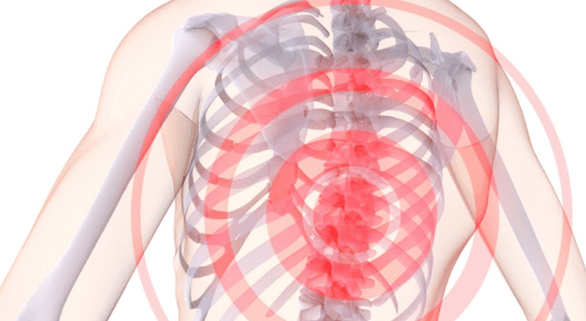
During an exacerbation, it is recommended:
- avoid hypothermia and stress;
- to remain as little as possible in motionless positions, in which the load on the spine remains;
- apply gentle compresses and ointments that are not too strong on the affected area;
- gently massage the affected areas yourself - but avoid strong pressure;
- continue physical therapy as much as possible, but only if it does not worsen the pain.
In case of acute complications, bed rest is also recommended.If unbearable pain occurs, it may even be necessary to be hospitalized.However, in most cases, the exacerbation of thoracic osteochondrosis can be stopped at home, especially if you combine a gentle regimen with the use of medications prescribed by a specialist.
The main condition for exacerbation of osteochondrosis is lack of physical activity.Inflamed intervertebral discs need maximum rest - then the exacerbation can be quickly managed.